
Mexico’s Pemex Problem Keeps Getting Bigger
Pemex’s difficulties spill directly into the federal government’s finances.

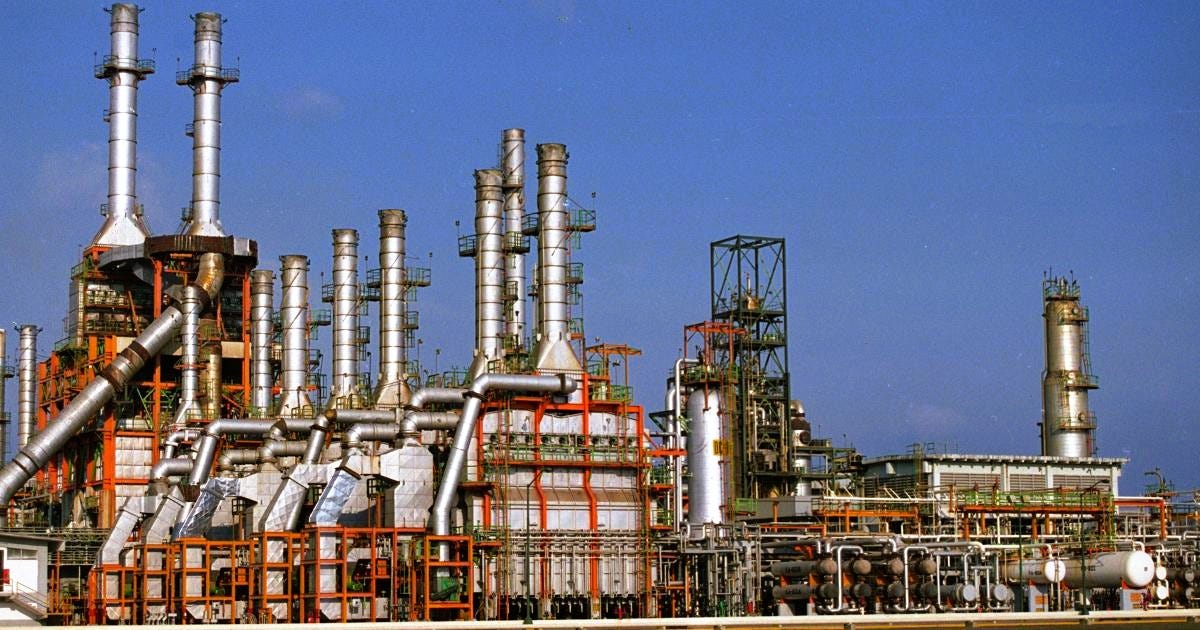
For years, Mexico benefited from a reputation for relative fiscal discipline, with investors often viewing the country as more financially cautious than many other major emerging economies. That reputation is beginning to weaken, and much of the pressure now points back to the country’s heavily indebted state oil company, Petróleos Mexicanos, better known as Pemex.
Moody’s Ratings downgraded Mexico’s sovereign credit rating this week, citing weakening public finances, rising debt burdens, and the government’s continued financial support for Pemex. While the agency shifted its outlook to stable from negative, signaling it does not expect an immediate crisis, the downgrade still reflected growing concern over the country’s longer-term fiscal direction.
Pemex has increasingly become one of the central economic dilemmas facing President Claudia Sheinbaum’s administration. The heavily indebted state energy giant remains politically untouchable in many ways, tied deeply to Mexico’s modern nationalist identity and decades of state control over the oil industry. Yet financially and operationally, the company continues struggling under mounting pressure.
Moody’s warned that Mexico’s relatively narrow tax base limits the government’s ability to stabilize debt levels over the long term, especially if economic growth remains weak. The agency expects Mexico’s economy to remain subdued in the near future, with growth only gradually returning toward its longer-term trend of 2%.
The problem is becoming harder for investors to ignore because Pemex’s difficulties increasingly spill directly into the federal government’s finances. Last year alone, Mexico issued roughly $13.8 billion in debt to help support the company.
